
Large and in charge, Texas brings its best and its biggest to the table every time. Travelers rave about all there is to do and experience here, because trust me, there’s no shortage of laughter or adventure to be had here. From food to fun and more, find out what makes Texas stand tall in this state guide!
Looking for more guides on other states? Find facts and tips on more destinations on the USA page!
Fast Facts — Travel Tips — Featured Posts
Fast Facts
Geography and Population
- Texas is located in the south of the United States, bordering states like Oklahoma to the north and the country of Mexico and the Gulf of Mexico to the south
- Plains are the primary geographical feature found here in Texas, with coastal plains to the east near the Texas-Gulf of Mexico border and desert plains to the west near the Texas-Mexico border
- Texas is the second largest state in the United States and is home to around 30 million people
Major Cities
- Houston, Dallas, and Austin are just a few major cities in the state of Texas
- Houston is the most populous city in Texas with over 2 million people
- The Dallas area is also home to several other cities, including Fort Worth, Arlington, Plano, and more
State Staples
- The 28th state to enter the union, Texas was founded on 29 December 1845
- The capital of Texas is Austin, which is located near the south central region of the state
- The state’s nickname is the Lone Star State
- Known for its southern charm, Texas has roots in cowboy culture — boots, hats, music, you name it
- Food-wise, Texas excels in barbecue and Tex-Mex cuisine, which consists of a fusion between American and Mexican cuisines that were largely influenced by Tejano people
- As they say, “Everything is bigger in Texas.” You can expect to find large plots of land, big portions of food, and a high level of fun and enthusiasm — see “specifically during football games.”
My Favorites and More
- Palo Duro Canyon State Park is one of my favorite places I’ve ever been in Texas. It’s located right around half an hour south of Amarillo in the panhandle of Texas. Palo Duro offers beautiful hikes and access to stunning rock formations and sweeping red landscapes. If you love the outdoors, take some time to visit this park the next time you’re in the area.
Leave your own fast facts about Texas down in the comments below!
Travel Tips
Dallas and Surrounding Cities
From Dallas to Fort Worth to everything in-between, this booming metropolis area is filled with an array of activities and events. Take a walk through the city on the Katy Trail or visit the Dallas Arboretum and Botanical Garden to experience natural greenery in the concrete jungle. Watch a football game or see a concert at the AT&T Stadium in Arlington. Or explore unique districts like the Fort Worth Stockyards to get a taste of true Texas.
The Dallas area stretches miles and miles in all directions. Which means driving is the most reliable way to get in and out as near or as far as you need. Dallas has a public transportation system, but moving between cities, urban areas and suburban areas, is always just easiest if you have your own means of traveling.
With miles and miles of civilization, there’s no shortage of places to stay during your trip to the Dallas area. Downtown areas and Dallas proper are the places to be, which means these areas is almost always going to cost you over $100 per night. But if you’re willing to stay in the quieter parts of the city and have no qualms with driving or arranging ways to get to where you need to go, then that’s definitely a viable option.
Amarillo
Amarillo stands out as a sight to see amidst the desert of the Texas panhandle. It’s known largely for western museums, legendary steak house, and proximity to one of the state’s most alluring outdoor environments.
Central United States is driving territory. And the same goes for Amarillo. While there’s technically a public transportation system here, there’s a chance it’s not very widely used, like with many other cities in this region of the country. Amarillo isn’t a big city, both in terms of urban area and population. Which means that there isn’t a heavily reliance on city comforts, such as public transportation. So I wouldn’t rely on it as a traveler either.
Accommodations are readily available in Amarillo. There are hotels, budget and luxury; rented houses; cabins, for a few hundred dollars a night; and camping options. It’s not difficult to find an accommodation that suits your needs in the area of town you want.
Route 66
Texas sees the midpoint of the renowned Route 66. Route 66 travels through the panhandle of Texas, a fairly flat and arid atmosphere that’s easy to miss if you’re not looking for it. But that doesn’t mean there isn’t anything here for you to appreciate.
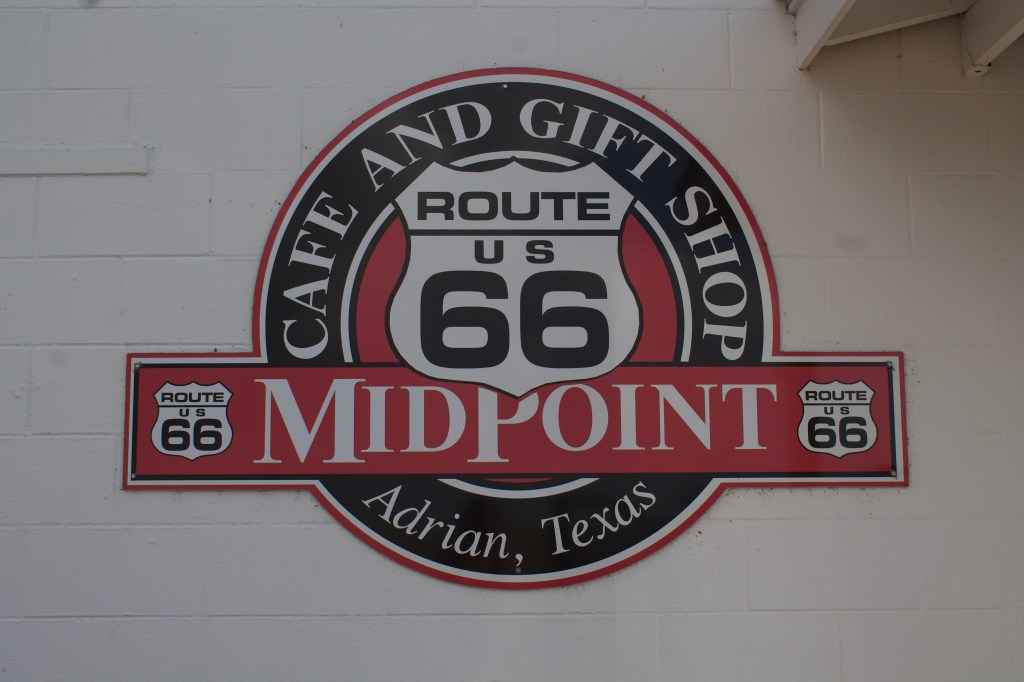
Amarillo, for example, is an area worth seeing. It’s home to some of the comforts of a bigger city, while also maintaining the same culture you’ll find in smaller towns. Adrian is another staple stop. Here you’ll find the geographical midpoint of Route 66 with small shops and cute photo opportunities to document your journey.
Long distances between stops, ghost towns, and rough roads will start to get common from here on out. A map is crucial on this part of Route 66 — if you haven’t been traveling with one already. Make sure your car or vehicle is stocked with plenty of water and other items to help keep you cool as well. It can start to get really hot as you move farther west into desert territory, especially during the summer. It’s always important to plan and prepare.
And one of the best ways to plan and prepare for your very own Route 66 road trip — in Texas and beyond — is with my full guide on this iconic experience. Keep an eye out on the blog for it because it’s coming soon!
 samanthasabio